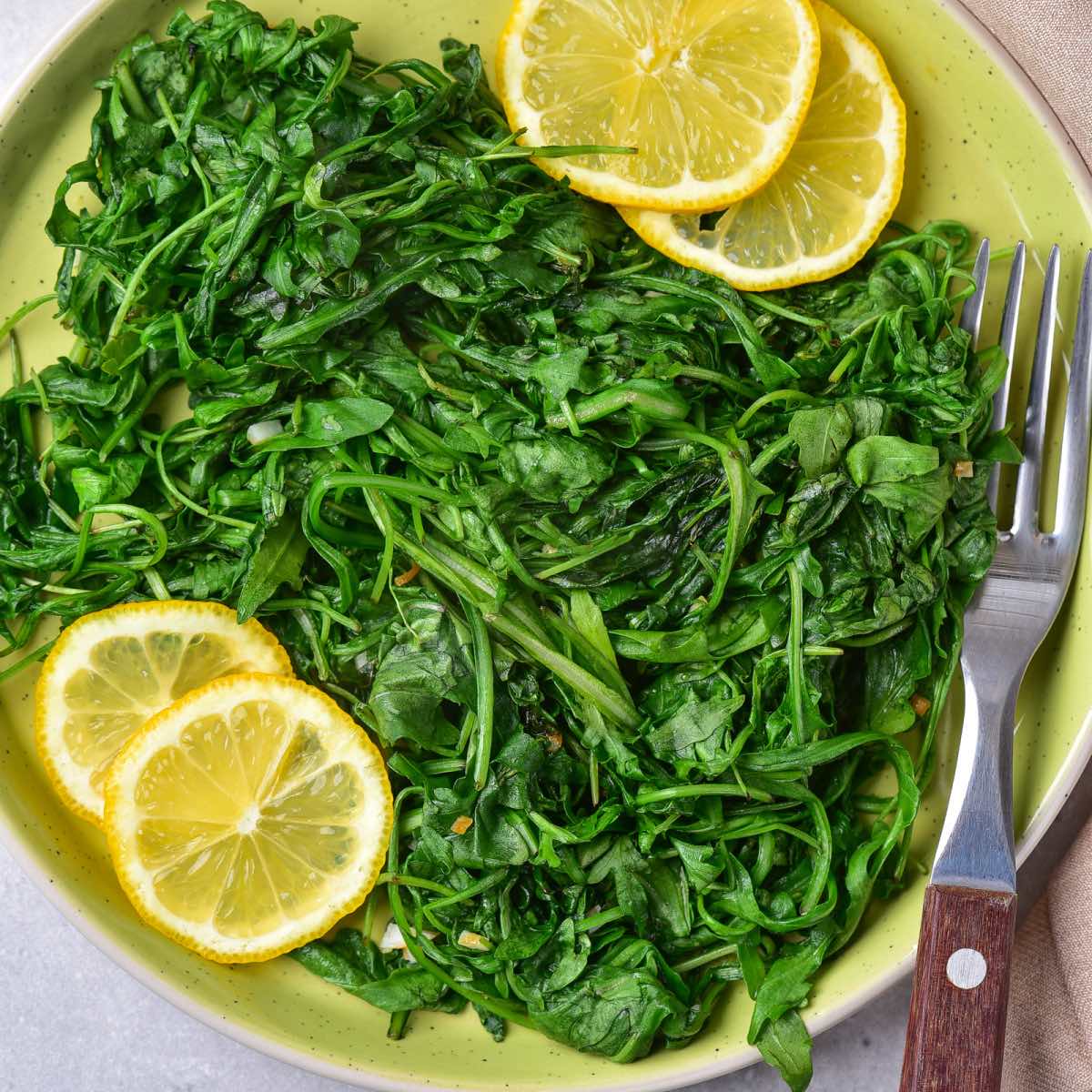
Unlock the Flavor: Why Sauteed Arugula Deserves a Spot on Your Plate
Often celebrated for its distinctive peppery bite in salads, arugula undergoes a remarkable transformation when introduced to a hot pan. Sautéing mellows its intense flavor, making it slightly sweeter, incredibly tender, and surprisingly versatile. If you've been looking for a quick, healthy, and delicious way to incorporate more greens into your diet, mastering the sauteed arugula recipe is an absolute game-changer. It's not just a side dish; it's a vibrant ingredient that can elevate everything from eggs and pasta to grilled meats and fish. Forget soggy, overcooked greens – the key to perfect sautéed arugula lies in a swift, high-heat process that preserves its nutritional integrity and vibrant color while coaxing out a depth of flavor that's both comforting and invigorating.
This article will guide you through the simple steps to create a perfect batch, explore exciting variations, and delve into the myriad health benefits that make this leafy green a nutritional powerhouse. Get ready to turn a humble bag of arugula into a culinary delight that will become a staple in your kitchen.
Mastering the Basic Sauteed Arugula Recipe: A Step-by-Step Guide
The beauty of a basic sauteed arugula recipe lies in its simplicity and speed. You'll be amazed at how quickly fresh arugula wilts down into a tender, flavorful green. This foundational recipe uses minimal ingredients to allow the arugula's unique characteristics to shine.
Ingredients You'll Need:
- 5-6 ounces fresh arugula (about 5-6 cups packed)
- 1-2 tablespoons extra virgin olive oil
- 2 cloves garlic, minced (or more, to taste)
- Salt, to taste (kosher salt recommended)
- Freshly ground black pepper, to taste
- Optional: A squeeze of fresh lemon juice or a dash of red pepper flakes
Step-by-Step Instructions:
- Prepare the Arugula: If your arugula isn't pre-washed, rinse it thoroughly under cold water and dry it completely. Excess water will steam the arugula instead of sautéing it, leading to a less desirable texture. A salad spinner works wonders here.
- Heat the Pan: Place a large skillet or frying pan over medium-high heat. Add the olive oil and let it shimmer, but don't let it smoke.
- Sauté the Garlic: Add the minced garlic to the hot oil. Cook for about 30 seconds to 1 minute, stirring constantly, until fragrant. Be careful not to burn the garlic, as it can turn bitter.
- Add the Arugula: Immediately add the arugula to the pan. It will look like a lot, but it will quickly wilt down. You might need to add it in batches if your pan isn't large enough, or just push it down gently with tongs or a spatula.
- Sauté Until Wilted: Cook for 1-3 minutes, tossing continuously with tongs, until the arugula is just wilted and tender but still vibrant green. Overcooking will make it mushy and diminish its flavor.
- Season and Serve: Remove the pan from the heat. Season generously with salt and freshly ground black pepper. If desired, add a squeeze of fresh lemon juice or a pinch of red pepper flakes for an extra kick. Toss once more and serve immediately.
Pro Tip: The entire cooking process, from adding garlic to serving, should take no more than 5 minutes. Speed is essential for keeping the arugula bright and flavorful!
Beyond the Basics: Creative Variations and Pairings for Sauteed Arugula
Once you've mastered the foundational sauteed arugula recipe, the possibilities for customization are endless. Arugula's robust flavor stands up well to various additions, allowing you to tailor it to your meal or personal preference.
Flavorful Additions to Try:
- Cheesy Goodness: Stir in a tablespoon or two of freshly grated Parmesan or Pecorino Romano cheese right after removing it from the heat. The residual warmth will melt it slightly, creating a delicious coating.
- Nutty Crunch: Toast a small handful of pine nuts, slivered almonds, or chopped walnuts in a separate dry pan until fragrant, then sprinkle over the finished arugula for added texture and richness.
- Mediterranean Flair: Add chopped sun-dried tomatoes (oil-packed or rehydrated), Kalamata olives, or crumbled feta cheese along with the arugula. A drizzle of balsamic glaze at the end adds a delightful tang.
- Spicy Kick: Increase the red pepper flakes or add a touch of finely chopped fresh chili (like serrano or jalapeño) with the garlic.
- Umami Boost: A splash of soy sauce or a teaspoon of nutritional yeast can add an extra layer of savory depth.
- Herbaceous Twist: Incorporate fresh herbs like chopped parsley, chives, or a hint of oregano during the last minute of cooking.
Perfect Pairings:
Sauteed arugula is incredibly versatile and makes an excellent accompaniment or addition to a wide range of dishes:
- Breakfast & Brunch: Serve alongside scrambled eggs, omelets, or frittatas. It's also fantastic piled onto avocado toast.
- Pasta Dishes: Stir it into freshly cooked pasta with a little pasta water, olive oil, and Parmesan for a quick and light meal. It pairs beautifully with lemon-garlic pasta.
- Main Courses: A perfect side for grilled chicken, baked fish (especially salmon or cod), steak, or roasted pork.
- Sandwiches & Wraps: Add a layer of sautéed arugula to your sandwiches or wraps for extra flavor and nutrients. It works particularly well with creamy cheeses or rich meats.
- Pizza Topping: Sprinkle it over a hot pizza fresh out of the oven for a fresh, peppery contrast to the rich cheese and sauce.
- Grain Bowls: Incorporate it into quinoa, farro, or rice bowls alongside other vegetables and a protein source.
Health Benefits of Arugula: More Than Just a Pretty Leaf
Beyond its culinary appeal, arugula is a nutritional powerhouse, packed with vitamins, minerals, and antioxidants that contribute to overall well-being. Incorporating sautéed arugula into your diet is an easy and delicious way to boost your nutrient intake.
- Rich in Vitamins: Arugula is an excellent source of Vitamin K, crucial for blood clotting and bone health. It also provides a significant amount of Vitamin A (in the form of beta-carotene), essential for vision and immune function, and Vitamin C, an antioxidant that supports skin health and immunity.
- Mineral Rich: This leafy green contains vital minerals such as calcium (important for bones and teeth), potassium (for heart health and blood pressure regulation), and magnesium (involved in over 300 bodily functions).
- Powerful Antioxidants: Arugula is loaded with antioxidants, including glucosinolates, which have been studied for their potential anti-cancer properties. These compounds give arugula its characteristic peppery flavor.
- Hydration and Fiber: With high water content and a good amount of dietary fiber, arugula aids in digestion, promotes a feeling of fullness, and helps maintain healthy blood sugar levels.
- Low Calorie & Nutrient Dense: Arugula is incredibly low in calories, making it a fantastic choice for weight management, while still delivering a high concentration of essential nutrients per serving.
- Anti-inflammatory Properties: The various compounds found in arugula possess anti-inflammatory qualities, which can help reduce inflammation throughout the body and protect against chronic diseases.
While cooking can slightly reduce some heat-sensitive nutrients, the short sautéing process of arugula helps to preserve many of its beneficial compounds, making it a highly nutritious choice.
Expert Tips for Perfect Sauteed Arugula Every Time
Achieving perfectly sautéed arugula is simple, but a few expert tips can elevate your dish from good to extraordinary. Paying attention to these details will ensure your arugula is tender, flavorful, and never soggy or bitter.
- Start Dry: This is arguably the most critical tip. Ensure your arugula is completely dry before it hits the pan. Any residual water will steam the leaves instead of sautéing them, resulting in a watery, limp texture and dull color. Use a salad spinner or pat it thoroughly with paper towels.
- High Heat, Quick Cook: Sautéing is a fast-cooking method. Use a large pan over medium-high heat to ensure the arugula cooks quickly and evenly. Don't overcrowd the pan; if you have a lot of arugula, work in batches to maintain high heat.
- Don't Overcook: Arugula cooks very quickly, usually in 1-3 minutes. It should be just wilted and tender-crisp, still vibrant green. Overcooking will turn it olive-green, mushy, and can make it taste bitter. Err on the side of undercooking; it will continue to soften slightly off the heat.
- Good Quality Olive Oil: Since there are so few ingredients, the quality of your olive oil matters. A good extra virgin olive oil will impart a lovely flavor.
- Season Liberally at the End: Salt and pepper are your friends here. Taste and adjust seasoning right before serving. A squeeze of fresh lemon juice at the very end brightens the flavors immensely and adds a zesty counterpoint to the garlic and peppery greens.
- Fresh Garlic is Best: While garlic powder can work in a pinch, fresh minced garlic delivers a far superior aroma and flavor. Cook it just until fragrant, avoiding burning, which can turn it bitter.
- Experiment with Acidity: Besides lemon juice, a splash of good quality balsamic vinegar or red wine vinegar can also add a delightful tang that balances the richness of the oil and the earthiness of the arugula. Add it off the heat to preserve its freshness.
Sauteed arugula is a testament to how simple ingredients, handled with care, can create something truly delicious and nutritious. It's a versatile side that can enhance almost any meal, making it an indispensable part of your culinary repertoire.
